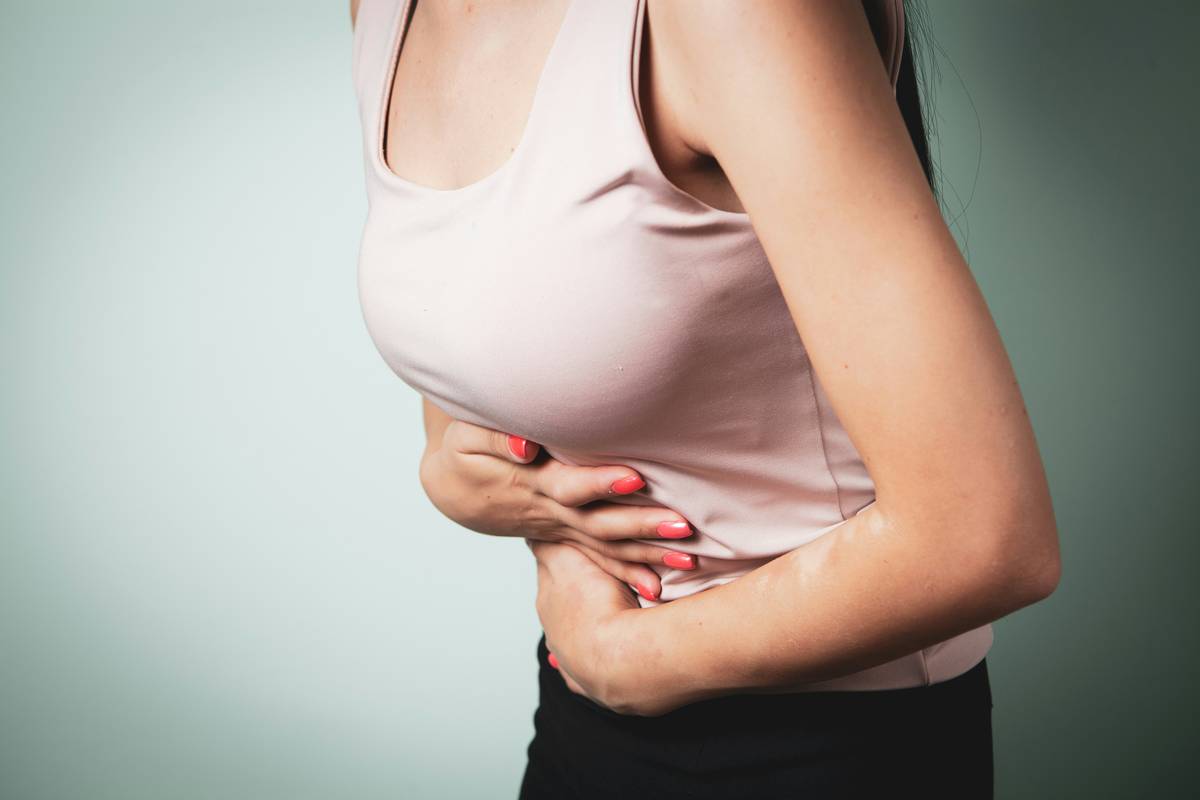
You wake up stiff. Your joints ache for no reason. Brain fog clouds your afternoons. You’re told to “eat clean”—but nothing changes. That’s because most anti-inflammatory advice misses the gut connection entirely. Here’s the fix: what food reduces inflammation isn’t just about antioxidants—it’s about feeding your microbiome the right fuel.
Why Your Anti-Inflammatory Diet Keeps Failing
Most lists shove blueberries and salmon at you—again and again. And sure, they help. But if your gut lining is leaky or your microbiome is out of balance, even “healthy” foods can backfire. Fiber that should feed good bacteria becomes a trigger for bloating or gas. Healthy fats sit undigested. The inflammation cycle continues—silent, stubborn, self-perpetuating.
Here’s the reality: reducing systemic inflammation starts in the gut—not the grocery cart. Without addressing microbial diversity and intestinal permeability, you’re polishing the deck chairs on a sinking ship.
What Food Reduces Inflammation: A Gut-First Protocol
Forget generic superfood lists. Build your plate around these pillars—backed by clinical nutrition research and real-world patient outcomes:
Fermented Foods That Actually Work
Kefir, kimchi, and unpasteurized sauerkraut aren’t just trendy—they deliver live probiotics that directly modulate immune responses. But quality matters. Store-bought versions often lack viable strains. Make your own, or choose brands with CFU counts above 10 billion.
Polyphenol-Rich, Low-FODMAP Veggies
Spinach, zucchini, and purple carrots offer potent anti-inflammatory compounds without feeding gut pathogens. High-FODMAP veggies like garlic or onions? They’re great—for some. If you’re sensitive, they worsen bloating and low-grade inflammation. Match foods to your tolerance, not someone else’s Instagram feed.
Prebiotic Fibers That Don’t Trigger Bloating
Not all fiber is equal. Green banana flour, cooked-and-cooled potatoes (resistant starch), and jicama feed beneficial bacteria without causing distension. Start low—¼ teaspoon daily—and scale up only when your gut signals readiness.
| Food Category | Gut Impact | Anti-Inflammatory Potency | When to Avoid |
|---|---|---|---|
| Fermented Dairy (kefir, yogurt) | High probiotic load; improves barrier integrity | ★★★★☆ | If histamine intolerant or lactose-sensitive |
| Olive Oil (extra virgin, cold-pressed) | Boosts Akkermansia; reduces LPS translocation | ★★★★★ | If rancid or adulterated (common in cheap oils) |
| Walnuts | Moderate prebiotic effect; high omega-3 ALA | ★★★☆☆ | If mold-sensitive or with active SIBO |
| Bone Broth | Provides glycine & proline for mucosal repair | ★★★☆☆ | If glutamate-sensitive (can trigger headaches) |
The Industry Secret: Inflammation Isn’t Just What You Eat—It’s When You Stop Eating
Here’s what functional medicine clinics quietly implement but rarely advertise: strategic fasting windows dramatically lower inflammatory markers like CRP and IL-6—but only if the fed window includes truly gut-friendly foods. Pairing a 12-hour fast with processed “anti-inflammatory” bars? Useless. Yet combine it with bone broth, fermented greens, and cold-pressed olive oil—and you create synergy most supplements can’t match.
Think about it: your gut needs downtime to repair. Constant snacking—even on “healthy” nuts—keeps digestion running 24/7, preventing autophagy and tight junction healing. The math is simple: better inputs + strategic emptiness = less inflammation.
FAQ
Does apple cider vinegar reduce inflammation?
No strong human evidence supports ACV as an anti-inflammatory agent. It may help blood sugar control—which indirectly lowers inflammation—but it can irritate sensitive guts.
Are eggs inflammatory?
For most people, no. Eggs contain choline and lutein with anti-inflammatory effects. But if you have an IgG sensitivity or autoimmune condition like Hashimoto’s, they may trigger flare-ups.
What’s the fastest way to reduce inflammation through diet?
Eliminate added sugars and industrial seed oils for 72 hours while adding 2 servings of fermented foods daily. Many notice reduced joint stiffness within 3–5 days.