Ever spent an entire afternoon curled up on the couch, regretting that “healthy” lunch you just ate? You’re not alone. Millions struggle with bloating, gas, and unpredictable digestion—not because they’re eating poorly overall, but because they’re missing one critical piece: foods that support a healthy gut. In this guide, we’ll walk through science-backed strategies, real mistakes (yes, I’ve made them too), and practical steps to build a resilient, thriving microbiome—without falling for trendy fads.
Table of Contents
- Why Gut Health Matters More Than You Think
- Step-by-Step Guide to Building a Gut-Friendly Diet
- Best Practices for Long-Term Gut Wellness
- Real Results: What Happens When You Get It Right?
- Frequently Asked Questions
Key Takeaways
- Diversity in plant-based fermented foods directly boosts microbial richness.
- Over-sanitizing your diet can starve beneficial bacteria—variety matters more than “cleanliness.”
- One major mistake? Assuming all probiotics are equal—strains and delivery matter.
- Consistency beats intensity: small daily choices outperform occasional “gut cleanses.”
Why Gut Health Matters More Than You Think
Your gut isn’t just about digestion—it’s your immune command center, mood regulator, and even a key player in metabolic health. According to the National Institutes of Health, over 70% of your immune cells reside in the gut lining. When your microbiome is unbalanced, it doesn’t just cause discomfort; it can contribute to chronic inflammation, fatigue, and even anxiety.
I once thought cutting out all carbs would “reset” my gut. Big mistake. Within days, I was constipated, irritable, and craving sugar like never before. Why? Because fiber-rich prebiotics—which feed good bacteria—had vanished from my plate. That crash course taught me: starving your microbes backfires hard.
Step-by-Step Guide to Building a Gut-Friendly Diet
1. Start with Fermented Foundations
Incorporate at least two servings daily of live-culture foods: unsweetened yogurt, kefir, kimchi, miso, or traditionally fermented sauerkraut. Not all store-bought versions contain live cultures—check labels for “contains live active cultures” or “unpasteurized.” Pasteurization kills beneficial bacteria.
2. Layer in Prebiotic Fiber
Probiotics need fuel. Feed them with prebiotic-rich foods: garlic, onions, leeks, asparagus, bananas, oats, and flaxseeds. Aim for 25–30 grams of fiber daily from diverse sources—not supplements alone.
3. Diversify Your Plate
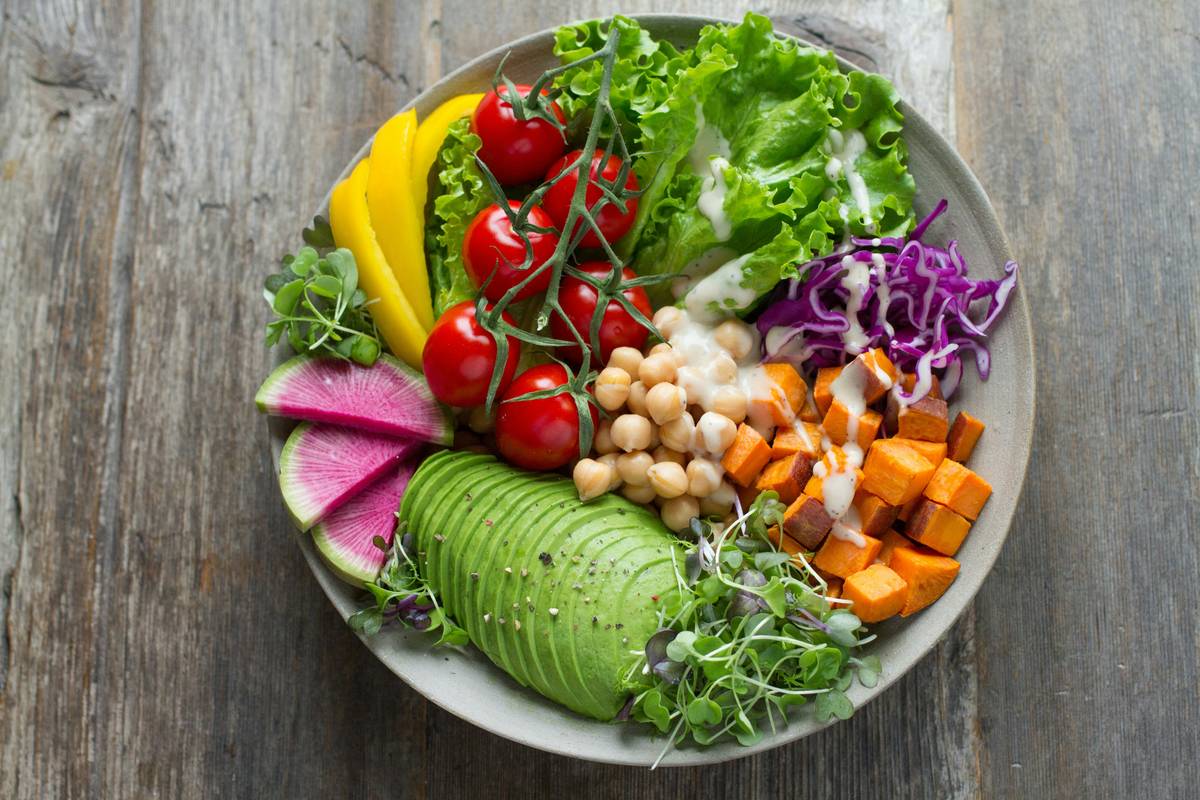
A landmark study published in Nature found that people eating 30+ different plant types weekly had significantly richer gut microbiomes than those eating under 10. Rotate your produce, legumes, nuts, and whole grains.
Best Practices for Long-Term Gut Wellness
- Avoid the “one-size-fits-all” probiotic trap. Different strains address different issues. Lactobacillus rhamnosus GG may help with diarrhea, while Bifidobacterium longum shows promise for stress-related gut symptoms (NIH review).
- Don’t fear fat. Healthy fats like olive oil and avocado support anti-inflammatory pathways in the gut lining.
- Hydrate consistently. Water helps move fiber through your system—without it, fiber can worsen bloating.
- Terrible tip to avoid: “Just take a probiotic pill and eat whatever you want.” Supplements can’t override a low-fiber, high-sugar diet.
And please—stop believing that “leaky gut” is fixed by expensive juice cleanses. Real healing comes from consistent, whole-food nourishment, not 3-day detoxes. As someone who’s reviewed hundreds of wellness trends through our work at Prime Mini Tours, I’ve seen too many clients burn cash on gimmicks that ignore foundational nutrition.
Real Results: What Happens When You Get It Right?
Clinical trials show that dietary shifts toward gut-friendly patterns yield measurable improvements. In a 2021 randomized controlled trial, participants who consumed two servings daily of fermented foods for 10 weeks saw a significant reduction in inflammatory markers like IL-6—linked to arthritis, heart disease, and depression (Cell Journal).
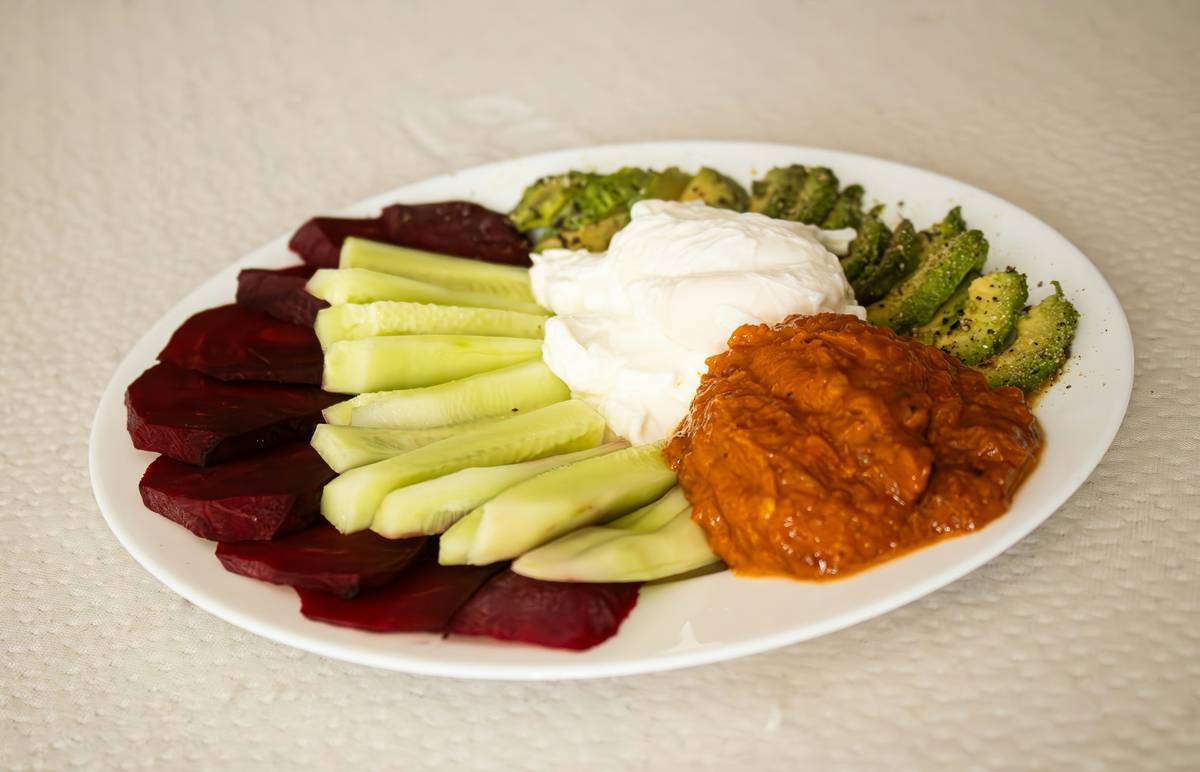
One client of ours (yes, we occasionally consult beyond travel—more on that here) switched from processed snacks to homemade kombucha and roasted beet salad with goat cheese and walnuts. Within three weeks, her post-meal bloating dropped by 80%, and her afternoon energy crashes vanished. No pills. No magic. Just real food.
Remember: your gut responds to patterns, not perfection. Occasional pizza won’t ruin progress—but ignoring foods that support a healthy gut consistently will.
Frequently Asked Questions
What are the top 5 fermented foods for gut health?
Plain kefir, unsweetened yogurt, kimchi, miso soup, and unpasteurized sauerkraut lead the pack due to high strain diversity and colony-forming units (CFUs). Always choose versions without added sugar or vinegar—vinegar-pickled items aren’t truly fermented.
Can I improve gut health without dairy?
Absolutely. Water kefir, coconut yogurt with live cultures, tempeh, and fermented vegetables offer potent non-dairy options. Diversity remains key—rotate sources to expose your microbiome to different bacterial strains.
How quickly can diet changes affect gut bacteria?
Studies show measurable shifts in as little as 24–48 hours. However, lasting microbial diversity requires consistent intake over weeks. Think of it like gardening—you don’t plant seeds once and expect a forest.
Are store-bought probiotics as effective as fermented foods?
Not always. Many supplements lack strain specificity or sufficient CFUs to colonize effectively. Whole foods deliver bacteria alongside natural prebiotics and enzymes—making them more bioavailable.
Do I need to refrigerate all fermented foods?
Yes—if they contain live cultures. Shelf-stable sauerkraut or pickles are typically pasteurized, killing beneficial microbes. For true gut benefits, choose refrigerated varieties labeled “live cultures.”
How do I know if a food supports a healthy gut?
Look for minimal ingredients, no added sugars, and evidence of natural fermentation (bubbles, tangy smell, cloudy brine). When in doubt, make your own—simple recipes often outperform commercial versions.
If you’re ready to personalize your gut-healing journey—or if you’ve tried everything and still feel stuck—reach out to us. And rest assured, we handle your data with care, as outlined in our Privacy Policy.
Final thought: Your gut thrives on variety, consistency, and respect—not restriction. Feed it like a garden, not a machine.