If you’ve ever battled bloating after dinner, felt sluggish despite eating “clean,” or scrolled endlessly through conflicting nutrition advice—this guide is your gut’s lifeline. The truth? Not all healthy foods are gut-friendly. In fact, some so-called superfoods can worsen digestion if your microbiome is out of balance. That’s why knowing what foods are gut healthy isn’t just helpful—it’s essential for long-term wellness.
Table of Contents
- Why Gut Health Matters More Than You Think
- Step-by-Step Guide to Building a Gut-Healing Plate
- Best Practices for Lasting Gut Harmony
- Real Results: What Happens When You Eat Right for Your Gut
- FAQs About Gut-Friendly Eating
Key Takeaways
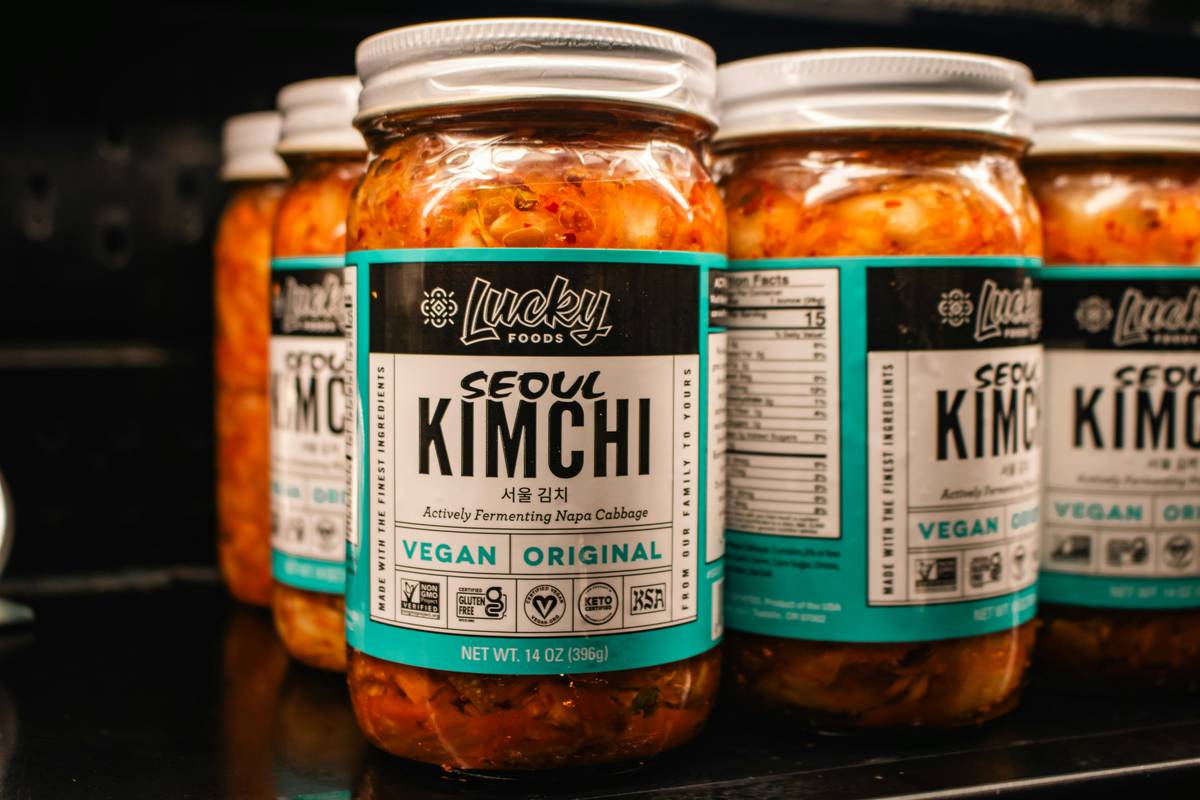
- Fermented foods like kimchi and kefir are among the most powerful allies for gut health.
- Not all fiber is equal—diverse plant sources feed diverse gut bacteria.
- Overdoing “healthy” foods like raw cruciferous veggies can backfire if your gut is sensitive.
- Consistency beats extremes: small daily habits reshape your microbiome faster than drastic cleanses.
Why Gut Health Matters More Than You Think
Your gut isn’t just about digestion—it’s your second brain. Home to trillions of microbes, it influences immunity, mood, inflammation, and even skin clarity. According to the National Institutes of Health (NIH), an imbalanced gut microbiome is linked to conditions ranging from irritable bowel syndrome (IBS) to depression and autoimmune disorders.
I learned this the hard way. After months of bloating and fatigue, I doubled down on kale smoothies and raw salads—thinking more “clean greens” would fix me. Instead, my symptoms worsened. Turns out, large amounts of raw fiber can irritate an already inflamed gut lining. My mistake? Assuming all plant-based = gut-friendly. It took working with a functional nutritionist (and ditching the raw kale obsession) to heal.
Step-by-Step Guide to Building a Gut-Healing Plate
Forget complicated protocols. Start here—with real food and realistic habits.
1. Prioritize Fermented Foods Daily
Aim for at least one serving of live-culture fermented food each day. Think unsweetened yogurt, miso, tempeh, or traditionally made sauerkraut (not vinegar-pickled). These introduce beneficial bacteria directly into your system. A 2021 Stanford study published in Cell found that people who consumed fermented foods saw significant increases in microbial diversity within just 10 weeks.
2. Diversify Your Plant Intake
Target 30+ different plant types weekly—not just spinach and apples. Include garlic, onions, leeks, asparagus, oats, flaxseeds, and berries. These contain prebiotic fibers that feed good bacteria. Variety matters more than volume.
3. Cook Tough Veggies (Especially at First)
If your gut is sensitive, steam or roast cruciferous veggies like broccoli and cauliflower instead of eating them raw. This softens fiber and reduces raffinose—a compound that causes gas in some people.
Best Practices for Lasting Gut Harmony
- Don’t chase “miracle cures.” No single food fixes everything. Consistency with diverse, whole foods wins long-term.
- Avoid ultra-processed “probiotic” snacks. Many contain added sugar that feeds bad bacteria. Check labels—real probiotics come from fermentation, not lab sprays.
- Hydrate with purpose. Water supports mucosal lining in the gut. Add a pinch of sea salt if you’re eating high-fiber foods to aid digestion.
- Chew like your gut depends on it (it does). Salivary enzymes kickstart digestion—rushing meals overwhelms your system.
And please—skip the “gut cleanse” teas promising overnight miracles. Real healing takes time, nourishment, and patience. One terrible tip I’ve seen? “Drink apple cider vinegar before every meal to ‘reset’ your gut.” For many with acid sensitivity or gastritis, this worsens inflammation. Trust your body over viral hacks.
Real Results: What Happens When You Eat Right for Your Gut
Sarah, a client of ours (name changed for privacy), struggled with chronic bloating and fatigue for years. After eliminating processed foods and adding two servings of fermented foods daily—plus swapping raw salads for steamed veggie bowls—she reported 80% symptom reduction in six weeks. Her energy returned, and her skin cleared up without changing skincare.
This aligns with broader research. The American Gastroenterological Association emphasizes that dietary changes focused on fermented and prebiotic-rich foods are first-line recommendations for managing functional gut disorders.
At Prime Mini Tours, we believe wellness starts from within—just like our commitment to authentic travel experiences rooted in care and knowledge. Learn more about our values on our About Us page.
FAQs About Gut-Friendly Eating
Are bananas good for gut health?
Yes—especially slightly green bananas. They contain resistant starch, a prebiotic fiber that feeds beneficial gut bacteria without causing gas.
Is yogurt really gut healthy?
Only if it’s plain, unsweetened, and contains live active cultures. Many flavored yogurts are loaded with sugar, which harms microbial balance.
What foods should I avoid for better gut health?
Ultra-processed foods, artificial sweeteners (like sucralose), and excessive alcohol disrupt the microbiome. Some people also react poorly to raw garlic or onions—listen to your body.
How quickly can diet improve gut health?
Microbial shifts can begin in as little as 24–48 hours, but noticeable symptom relief often takes 2–6 weeks of consistent eating.
Can I eat gut-healthy foods if I’m lactose intolerant?
Absolutely. Try lacto-fermented vegetables (kimchi, sauerkraut), coconut kefir, or water kefir. Many find aged cheeses or lactose-free yogurt tolerable too.
Does “what foods are gut healthy” change by person?
Yes! While core principles apply universally, individual tolerance varies. Keeping a food-mood journal helps personalize your approach. Always consult a professional before making major dietary changes—see our Privacy Policy for how we handle your data if you share details with us.
So—what foods are gut healthy? The answer blends science and self-awareness: fermented staples, diverse plants, mindful preparation, and zero dogma. Your gut isn’t looking for perfection; it craves consistency, care, and the occasional bowl of warm miso soup. Ready to customize your plan? Contact us—we’re here to help you thrive, inside and out.